Capalbio Travel Guide: Slow Tourism in Southern Tuscany
If you are looking for a version of Tuscany without the crowds, Capalbio is the answer. Located on the southern edge of the region, between the Maremma hills and the Mediterranean coast, this medieval village operates at a pace that prioritizes local life over mass tourism.
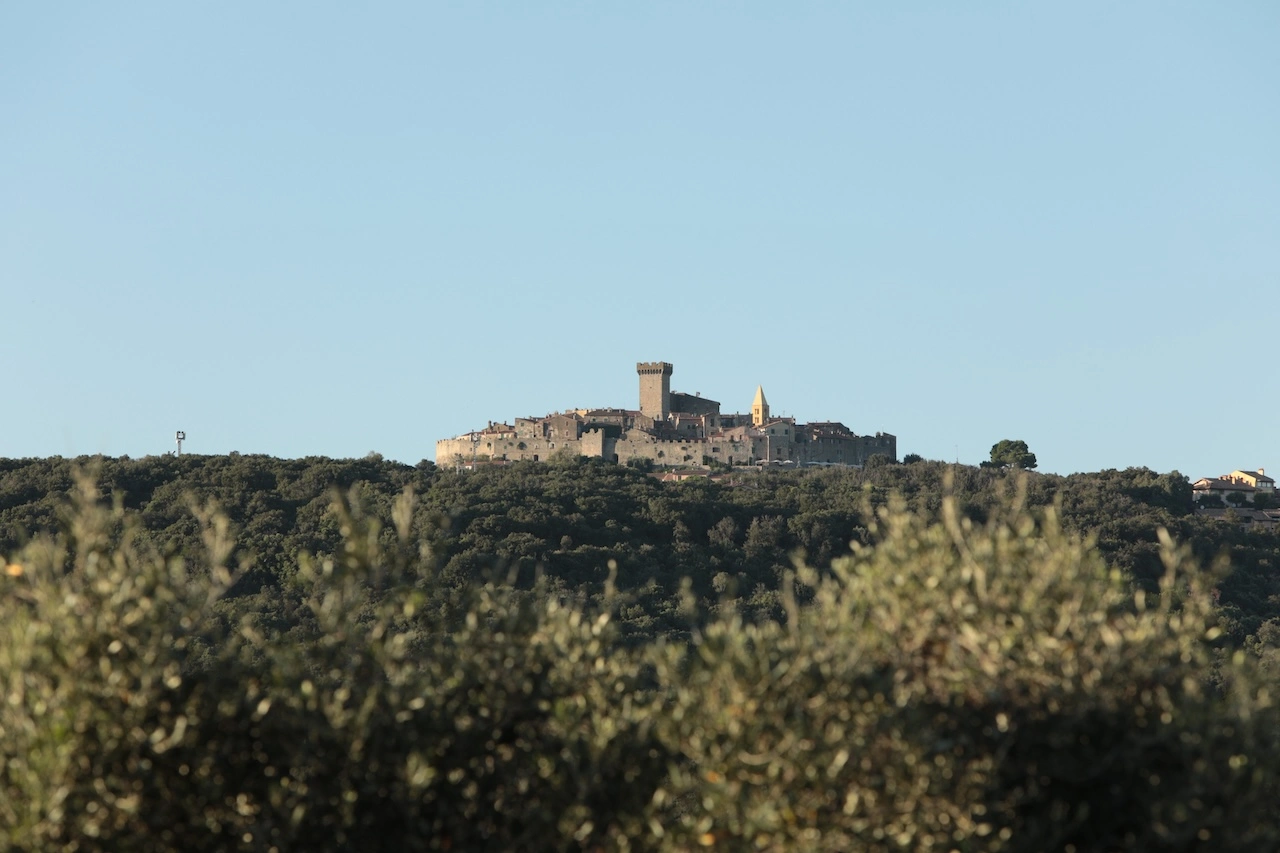
If you are looking for a version of Tuscany without the crowds, Capalbio is the answer. Located on the southern edge of the region, between the Maremma hills and the Mediterranean coast, this medieval village operates at a pace that prioritizes local life over mass tourism.
Travelers often return to Capalbio for years because it offers a distinct experience from other famous Italian towns. It is not a stage set for visitors; it is a functioning Slow Living community.
What is special about Capalbio
Sitting 217 meters above sea level, Capalbio was originally fortified by the powerful Aldobrandeschi family in the Middle Ages. Locals refer to it as "la piccola Atene" (Little Athens) because of its historical importance and cultural relevance. The village has a long history of attracting artists, politicians, and intellectuals seeking a retreat.
The first thing you notice is the lack of noise. The architecture defines the visual character (narrow stone streets, defensive walls, and the gray Rocca Aldobrandesca tower) but the atmosphere defines the experience. It is quiet by design.
From the perimeter walls, the view extends across the Maremma plains to the sea. On clear days, you can identify the islands of the Tuscan Archipelago on the horizon.
Walking Through History, Without Feeling Like a Tourist
Enter the historic center through the Porta Senese, the original main gate. The streets are narrow, meaning conversations naturally happen between doorways and pedestrians. This interaction is authentic; the slow pace here is how the residents actually live.
The Church of San Nicola features 12th-century frescoes that have faded into the stone over time. Nearby, the Rocca fortress remains a military structure rather than a polished museum. You can walk through these spaces freely.
Spend an hour at a piazza café. You will notice there are no franchise stores or tourist traps. The businesses exist to serve the townspeople.
The sea and the beaches of Capalbio
The appeal of Capalbio extends beyond the walls to the surrounding territory. A twenty-minute drive connects the village to a coastline that remains largely untouched.
You find wild sand at Spiaggia di Macchiatonda and La Torba Beach, backed by protected dunes and Mediterranean scrub. Access is limited to preserve the environment.
Behind the beaches lies the Lago di Burano, a WWF-protected wetland and Italy's first private nature reserve. It is a critical habitat for hundreds of bird species. Early mornings offer the best conditions for photography and birdwatching, particularly during the spring migration.
The Tarot Garden
Just outside the village in Garavicchio, the Giardino dei Tarocchi (Tarot Garden) offers a stark contrast to the medieval surroundings. Created by Franco-American artist Niki de Saint Phalle over twenty-two years, the park features twenty-two massive sculptures based on tarot cards, covered in mirrors and ceramics.
Walking through the park shows how modern art can interact with the natural landscape. The sculptures stand among native olive trees and cypresses. The reflection of light off the mosaics changes throughout the day, making spring and autumn the best times to visit for softer visuals.
It is a major cultural site in the Maremma, but it remains unexplained and abstract. It simply exists as an immersive art experience.
Tasting the Maremma
Food in Capalbio relies on local agriculture rather than complex recipes. The signature dish is Pappardelle al cinghiale (pasta with wild boar), utilizing game from the local forests. Acquacotta, a vegetable soup originally made by shepherds, is a staple of the area.
The region is part of the Capalbio DOC wine zone, known for structured red wines and Sangiovese-based rosés. These wines are designed to pair with heavy game dishes. Olive oil here comes from ancient groves and balances spice with fruitiness. Most local farms offer direct tastings and focus on production rather than hospitality.
For a deeper look at Maremma agriculture, many small estates offer tours explaining the connection between the coastal soil and the produce.
Exploring the Wider Maremma from Capalbio
Capalbio serves as a strategic base for exploring Southern Tuscany. The Orbetello Lagoon is nearby, providing extensive cycling paths and wildlife viewing. The Monte Argentario promontory offers scenic drives and active harbors. The Maremma Regional Park is one of the largest protected areas in Tuscany, with hiking trails through untouched wilderness.
History enthusiasts can reach important Etruscan archaeological sites like Vulci and Tarquinia, which predate the medieval era. The area is connected by quiet provincial roads ideal for cycling and slow driving.
Getting There and Staying
Capalbio is located approximately 60 kilometers south of Grosseto and 140 kilometers north of Rome. The SS1 Aurelia highway connects it to major cities. The Capalbio Scalo train station provides regional service to Pisa and Rome, but a car is necessary to access the beaches and countryside.
To truly explore Capalbio and the surrounding Maremma, you need a strategic base that connects the hills to the sea, and LA ROQQA in Porto Ercole is that central point. Staying at LA ROQQA places you in the heart of the region, giving you immediate access to Southern Tuscany’s best highlights. Let our Guest Experience team organize your perfect trip to explore untouched beauty of Southern Tuscany.