Southern Tuscany’s Myths and Legends: Stories from the Heart of the Maremma
Southern Tuscany lies at the crossroads of ancient civilizations, each shaping its cultural and mythological heritage. Etruscan, Greek, and Roman influences combined with centuries of seafaring to form enduring regional traditions.
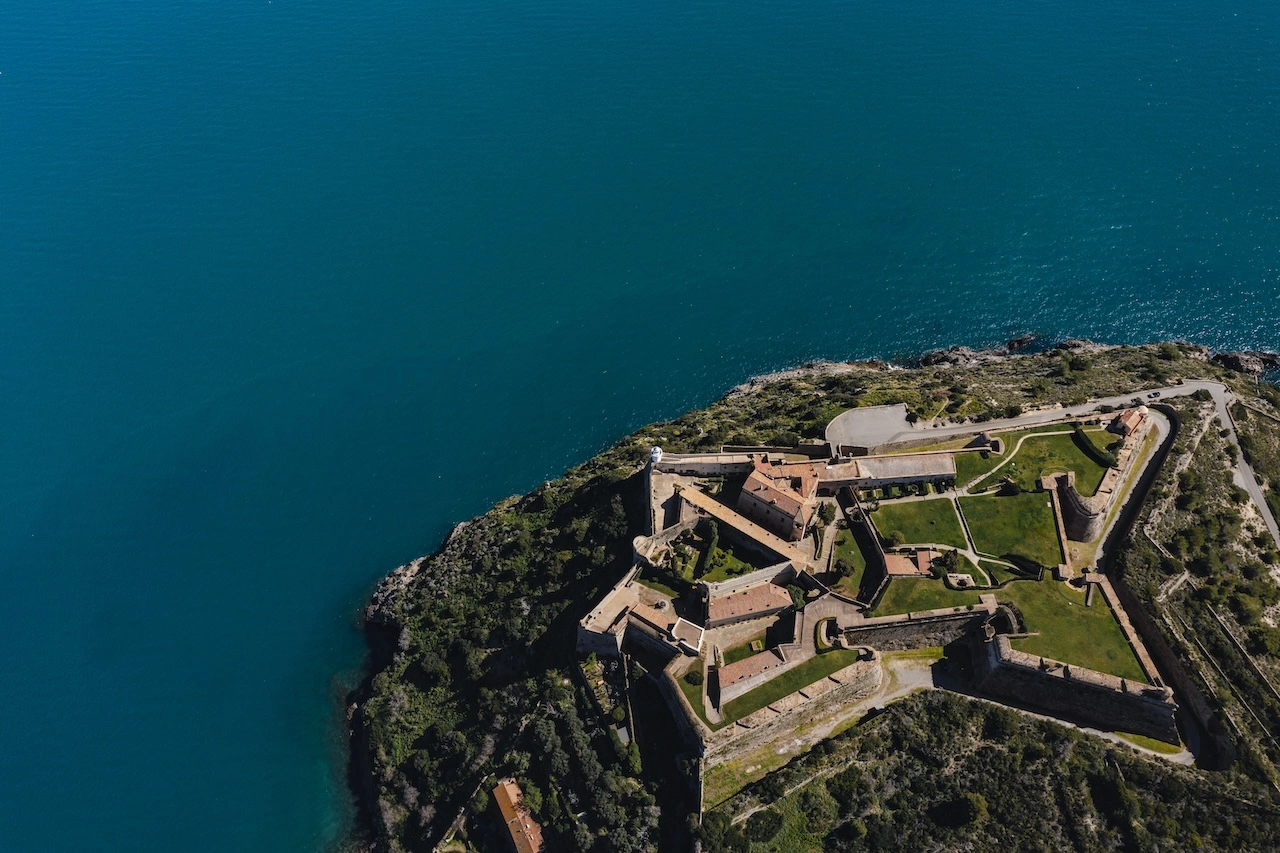
Southern Tuscany sits at the crossroads of multiple ancient civilizations, each leaving their own mythological imprint. The Etruscans believed this coastline was sacred territory, home to divine forces and mysterious rituals. The Greeks associated the Tuscan islands with legendary adventures, while Roman settlements brought their own pantheon of gods and cautionary tales.
The region's proximity to the sea created a natural setting for maritime legends and folklore. Sailors and merchants passed through these waters for millennia, embellishing stories of shipwrecks, sea creatures, and divine intervention that gradually became woven into local and regional traditions.
Etruscan echoes, sacred paths and hidden worlds
Among the oldest layers of Southern Tuscany’s myths and legends are those tied to the Etruscans and their sacred rituals. The vie cave, deep roads carved into tuff stone around Pitigliano, Sorano, and Sovana, were believed to be ritual passages connecting the world of the living with the underworld.
According to legend, these shadowed corridors were protected by ancestral spirits who guided souls on their journey beyond life. Etruscan necropolises carved into rock reinforced the idea that death was not an end, but a continuation: an invisible world running parallel to the visible one. Even today, walking these ancient Etruscan paths evokes a solemn, almost mystical atmosphere that draws visitors seeking to understand ancient Tuscany.
The Butteri: Guardians of Wild Maremma
Few figures are as emblematic of the Maremma as the Butteri, Tuscany’s legendary cowboys. Folklore tells of wild bulls roaming the plains, creatures so powerful they were thought to embody the spirit of the land itself.
Their dangerous trade generated legends of extraordinary skill and courage throughout the region. The Butteri were seen not merely as herdsmen, but as guardians of an ancient balance between humans and untamed nature. Symbols of resilience, practical wisdom, and an identity deeply rooted in the harsh Maremma landscape, they still embody the indomitable spirit of this land today.
The Legend of Monte Cristo
Perhaps no legend resonates more powerfully through southern Tuscany than that of Monte Cristo. Located off the Argentario coast, in the Tuscan Archipelago, this rocky island captivated the imagination of Alexandre Dumas, who set his famous novel The Count of Monte Cristo partly inspired by this very location. But the island's mystique predates Dumas by centuries.
In reality, Monte Cristo has been a place of refuge and concealment throughout history. Monks established a monastery here in medieval times, seeking isolation and spiritual enlightenment. Local stories speak of hidden treasures buried by pirates who used the island as a base, stories that blur the line between historical fact and romantic fiction. The island's protected status today means few visitors reach it, maintaining an air of intrigue and untouched mystery.
Devil’s bridges and midnight pacts
Like many parts of Italy, the Maremma has its own versions of the Devil’s Bridge legend. In one popular tale, a desperate builder made a pact with the devil to complete a bridge in a single night, offering the first soul to cross it in return.
At dawn, villagers outwitted the devil by sending an animal across first, breaking the pact. Though the bridge remained standing, locals insisted that strange sounds and shadows still appeared there after dark.
Ghosts and silence at San Rabano Abbey
Hidden within the Maremma Regional Park lie the ruins of San Rabano Abbey, a place steeped in legend. Founded in the 12th century as a Benedictine monastery, the abbey reached its greatest splendor in the 13th century, when it housed dozens of monks and controlled vast territories. In 1307 it passed to the Knights of Jerusalem, who fortified the complex. After pirate raids in the 16th century, it was gradually abandoned.
Local lore claims that monks beheaded by corsairs still wander the ruins as ghosts, protecting hidden treasure. Visitors often describe an eerie stillness among the remains, broken only by wind and birdsong, fueling the belief that the site remains spiritually charged.
Discovering Southern Tuscany through its legends
To explore these myths and legends fully, staying in the heart of the Maremma makes all the difference. From Etruscan sites inland to coastal villages shaped by seafaring lore, this region invites slow, thoughtful discovery of its rich mythological heritage.
LA ROQQA, overlooking the sea in Porto Ercole, offers a refined and intimate base for exploring Southern Tuscany’s legendary landscapes. From here, guests can venture into ancient villages, walk sacred Etruscan paths, and return each evening to a setting that reflects the same quiet elegance and timeless spirit that defines the myths of the Maremma.